D2C festive sales rose 45%, but one in five brands fell
Diwali 2026 lifted D2C sales value 45%, but one in five brands saw shipments fall over 25% as higher CAC and creative gaps split winners and losers.
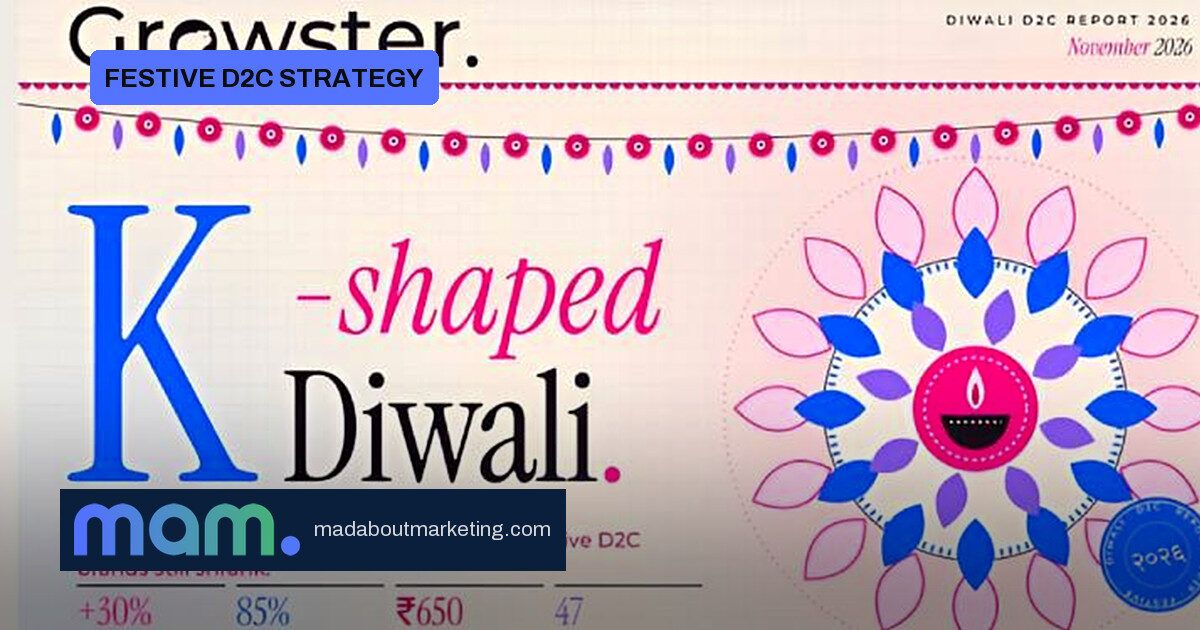
For India’s D2C brands, Diwali 2026 was a strong season in aggregate. ClickPost estimates festive D2C sales value grew 45%, while Unicommerce data shows brand-website orders rose 30% compared with 8% on marketplaces.
But the headline hides a far messier reality. A typical D2C brand may have grown, while the gap between winners and losers widened sharply.
01 · The average flatters someone
ClickPost’s early-sale analysis of 200 D2C brands puts typical shipment growth at around 19%. Nearly a third of brands grew shipments by more than 50%, and the strongest performers almost doubled volumes. At the other end, more than one in five brands saw shipments fall by over 25%.
Average order value is similarly split. ClickPost’s sample of about 400 brands shows AOV rising roughly 14%, while Unicommerce’s broader dataset shows a decline of around 3%, with 85% of festive orders below ₹1,000. The gap changes what a first-time customer is worth.
02 · Customer acquisition cost sorted the field
Kearney estimates D2C customer acquisition cost rose 15–20% to ₹600–650. That is manageable for premium categories such as jewellery, skincare and wellness, where baskets grew around 14%. Growster calculates acquisition cost per rupee of sales rose just 1–5% for those brands.
For mass-market brands, where basket size fell around 3%, acquisition cost per rupee of sales rose roughly 19–24%. With most orders below ₹1,000, a first purchase can easily become loss-making unless the customer returns. That economic pressure also concentrated creator spending: Qoruz found the top 10–15% of brands took nearly 65% of festive creator budgets.
03 · The creative and language gap
Media inflation punished repetitive creative. Datum Intelligence estimates commerce and retail media ad spending grew 27%, against 13–17% for festive advertising overall. Meta ad impressions were around 50% costlier between Navratri and Diwali than in August last year.
“Our read is that the difference came down to having a fresh, relevant ad for every peak day, in the languages Tier 3 India actually shops in,” said Harshit Arora, CEO, Growster.
That is the gap Growster calls predictable creative volume: enough fresh, relevant creative variants to cover every peak day instead of recycling one festive film.
The regional gap is measurable. Tier 3 towns accounted for 45% of shipments in ClickPost’s dataset, and Tier 2 cities added another 22%. Yet Admerly found regional-language creatives earned 38% higher festive engagement than English-language work.
04 · What to take into wedding season
Growster’s operating advice is to stretch campaigns across the full 47-day window and create for the margins you are defending.
- Plan advertising across the entire festive window, not one peak day.
- Create separate campaigns for low-priced and premium products.
- Produce original regional-language ads instead of dubbing one master.
- Evaluate media on CAC and basket contribution, not ROAS alone.
Marketing take
The brands that won Diwali did not necessarily outspend rivals; they showed up fresher, in the right language, on every peak day.
Source: MediaNews4U