The Shared-Memory Playbook Behind Jio’s Data Moment
Why a personal “first video call home” became a collective 2016 memory—and what it teaches brand leaders about building on shared moments.
Every brand wants a memory. Few get a shared one.
For many Indians, the phrase “my first video call home” does not belong to one person. It belongs to a season: the sudden shift from counting data to using it, the phone held at arm’s length to fit relatives into the frame, the kitchen wall and the hostel cot in the same chat.
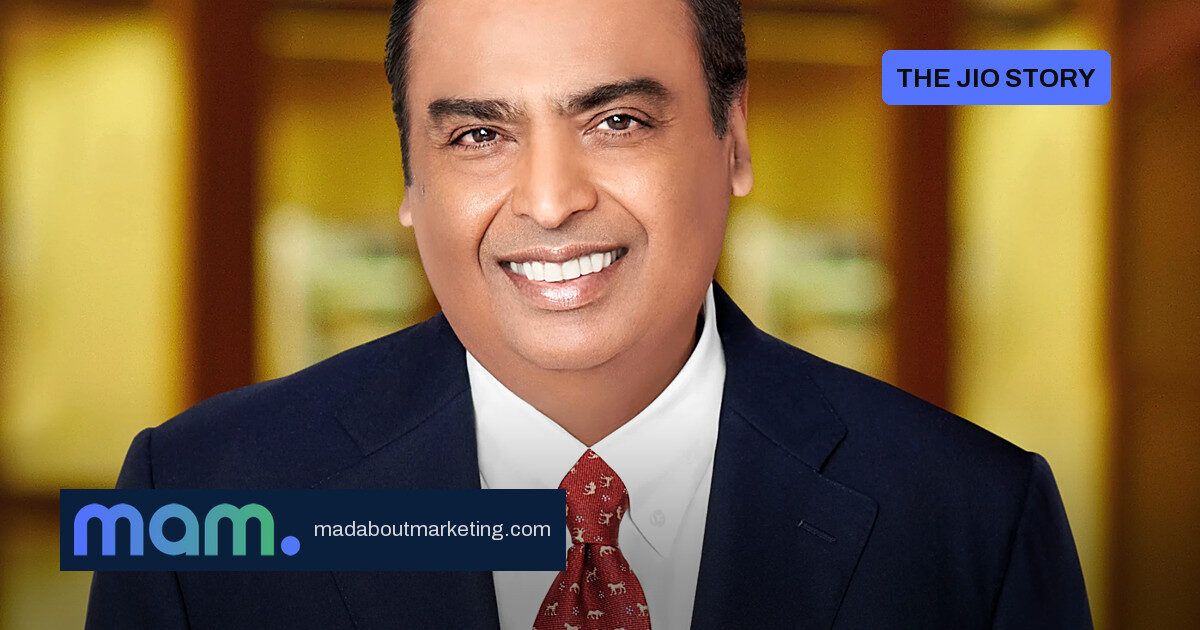
In 2016 Jio launched with the Welcome Offer: unlimited 4G data, voice, video and apps (Reliance Industries). The offer was a product decision. What followed was psychological: a private first became a public, repeatable story.
It reached 100 million subscribers within 170 days of launch (company-reported; Reliance Industries Integrated Annual Report 2016-17), compressing the adoption curve enough for a personal moment to become a generation’s reference point.
That is the strange work of shared memory. It does not need a slogan. It needs a threshold moment that many people cross at roughly the same time, turning individual surprise into collective reference. The question India asked moved from “How much does data cost?” to “What can we do with data?”
01 · Why “my first video call home” sticks
Most brand memories are recall—a jingle, a tagline, a colour. A shared moment is different. It includes the user’s own face, family and context. The brand is not the hero; it is the background that made the scene possible.
Part of the power is that the memory is not manufactured by marketing. It is recorded by the user’s own phone, in real time. That makes it resistant to the usual scepticism around ads, because the story begins with the person, not the company.
When marketers later use the memory, they are not borrowing attention. They are borrowing an existing emotion. The audience completes the story, which makes the message feel personal even when it is mass.
- Timing is visible: many people experience the shift in the same weeks, not years.
- The behaviour is ordinary: a call, a first post, a festival stream—not a rare campaign event.
- The brand stays quiet: the memory belongs to the person; the brand only enables it.
02 · How collective nostalgia changes the creative brief
Instead of starting with the product, the brief starts with the audience’s remembered scene. The choice of location, casting and dialogue becomes secondary to the moment itself. The film is not creating a feeling; it is recognising one.
Shared memories also give brands permission to be emotional without being sentimental. A marketer does not need to invent nostalgia; the audience already holds it. The role is to open the door, not to decorate it.
This shifts measurement too. A shared-memory campaign succeeds when people respond with their own version of the story: a sister’s first call, a father’s cricket stream, a grandparent’s wedding blessing. The comments become the proof.
03 · Why brands build on memories they didn’t create
A shared memory is a creative asset because it already carries plot, emotion and authenticity. The brand’s job is not to manufacture it but to recognise it, reflect it and stay out of its way.
Collective nostalgia flattens geography. A call from a Bengaluru paying-guest room, a first video with a grandparent in Patna and a festival stream from a village become the same emotional file. They are different details, one shared template.
The asset is fragile. If the brand oversells the moment, it becomes an advertisement again. The better move is to hold the memory gently—let customers tell it, and keep the brand as the setting.
04 · The marketing take
A memory that belongs to millions is stronger than a message that belongs to the brand.