Your First Video Call Is Shared Memory
Why 'my first video call home' became India's collective nostalgia, and how brands can build on shared thresholds rather than borrowed moments.
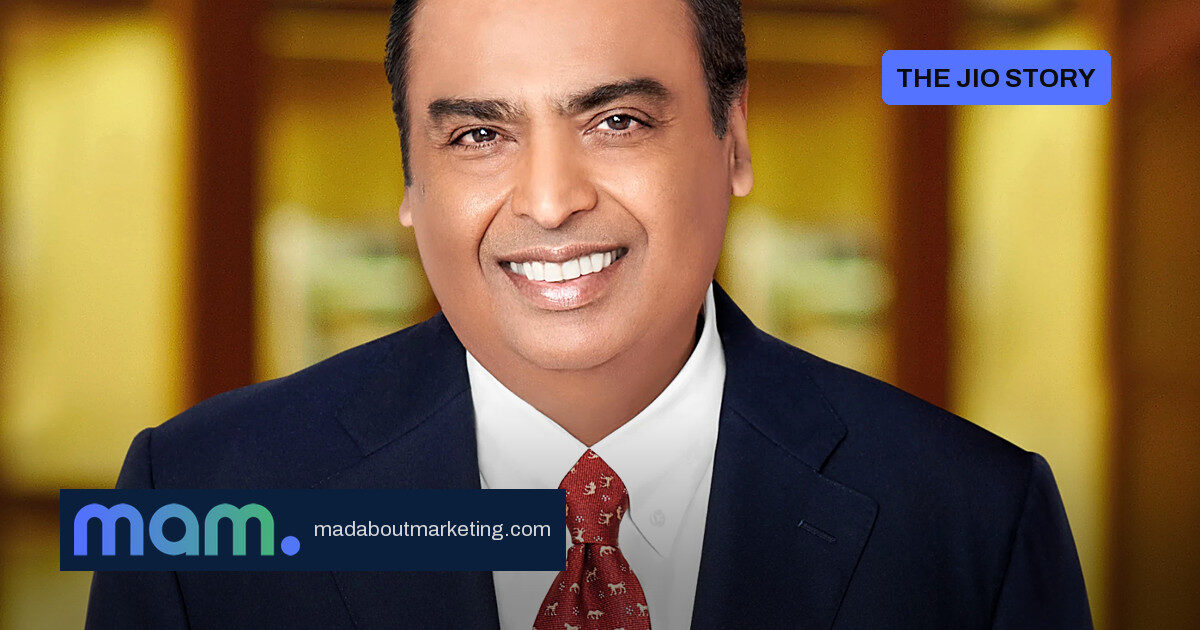
Some private moments don’t stay private. In India, “my first video call home” became one of them. Ask a room of marketers when they first saw a parent on a video screen and you’ll get overlapping stories: a festival missed, a child’s face held up to a kitchen light, a mother’s reaction that needed no translation.
Details differ; the structure is the same. That is the first clue: it stopped being a private memory and became a collective one.
01 · A threshold becomes a timestamp
Collective memory needs a date. Jio gave one. In 2016 it launched the Welcome Offer: unlimited 4G data, voice, video and apps, according to Reliance Industries. Jio reached 100 million subscribers within 170 days of launch, as reported in the Reliance Industries Integrated Annual Report 2016-17.
That speed is not only an adoption number. It means millions of people crossed the same threshold around the same time. A first video call that might have remained a family anecdote became a national one.
02 · Why the mind stores “my first call” as ours
The first video call home is emotionally loaded and socially rehearsed. People retell it, laugh at the delayed audio and ask the same question: “Remember when you thought video calling would be complicated?”
- It turns a private experience into social proof: everyone seems to have one.
- It gives the brand a retrievable timestamp: 2016, the unmetered moment.
- It lets marketing skip persuasion and begin with recognition.
This is collective nostalgia, not a sepia filter. It works because the memory is shared enough to be an identity marker, yet personal enough to be believed.
03 · Why brands build on shared memories
For CMOs, a shared memory is more durable than a campaign line. People defend their firsts. They group themselves by them: pre-data anxiety versus post-2016 default. The question India asked shifted from “How much does data cost?” to “What can we do with data?” That shift is more than a pricing story; it is a cultural threshold a brand can keep building on.
Jio now serves 524 million-plus customers, company-reported as of March 2026, and its ecosystem spans connectivity, entertainment, commerce, payments, devices, cloud and AI, per Reliance Industries’ 48th AGM. Nostalgia for 2016 is not about looking back at a smaller scale; it is a way to make today’s stack feel continuous with a moment people already own.
When a brand taps that shared memory, it does not need to explain the significance; it only needs to show the familiar scene. That is why campaigns return to railway stations, late-night hostel corridors and kitchen shelves. They are not recreating a company milestone; they are borrowing a memory the audience already refreshes.
But borrowed memory has rules. It must be true to the period, it must be shared, and it must not be so polished that it stops feeling like the viewer’s own. Brand leaders who get this use nostalgia as recognition, not as inventory.
04 · The one-line marketing take
Shared memory is a brand asset when a company creates a threshold moment people can date, retell and recognise in each other.