Tesla’s Roadster hype faces a 2028 reality check
Tesla's Roadster reveal proves attention is easy and delivery is hard. What marketers can learn from its 2028 problem.
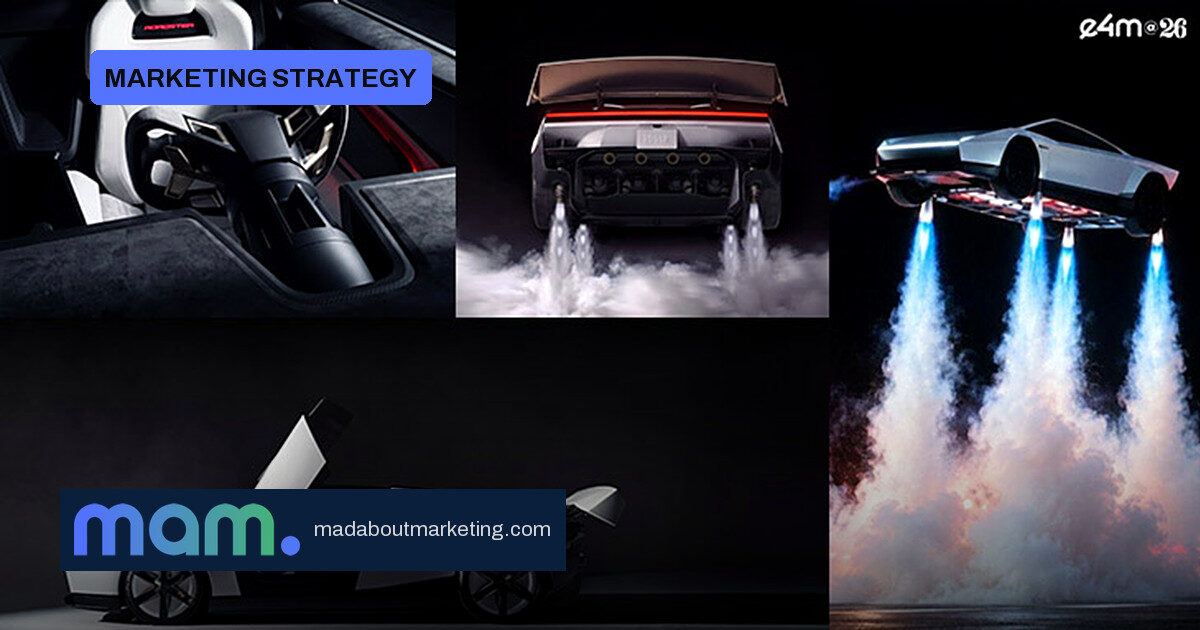
Tesla’s latest Roadster reveal is a stress test for launch-driven marketing. The car generated global headlines with rocket-style thrusters and dramatic mid-air manoeuvres, but production is not expected to begin until 2028—nearly nine years after the next-generation car was first shown in 2017.
At the SpaceX facility reveal, Elon Musk described the Roadster as “a flying car” and “the car from a James Bond film.” That positioning was pure engineering theatre, not a clear argument for why a buyer should wait.
01 · Attention is not the same as demand
The reaction in India shows how little control a brand has over the story after the spectacle. Much of the internet compared the Roadster with the flying car from the Bollywood film Tarzan: The Wonder Car, giving Tesla’s intended futuristic positioning an unexpected local twist.
Tesla’s own launch history illustrates both the power and the limits of hype:
- Model 3, 2016: more than 250,000 reservations in the first 36 hours, anchored by a tangible $35,000 starting price.
- Cybertruck, 2019: the armoured-window demo failed on stage, Tesla stock fell around 6% the next day—and hundreds of thousands of $100 reservations still followed.
- Roadster, now: a spectacular demo without an equally clear customer proposition and production set for 2028.
02 · Why Apple’s reveals feel different
Apple’s original iPhone launch in 2007 translated one device into three consumer benefits: an iPod with touch controls, a mobile phone and an internet communicator. The audience understood the need before the features arrived.
Musk’s presentations often centre on ambitious engineering demonstrations. Both styles generate anticipation, but a memorable reveal only works when consumers understand what problem the product solves and whether it is worth waiting for.
03 · The takeaway for brand leaders
Musk said in 2023 that Tesla would experiment with traditional advertising, moving beyond the earned media and community word of mouth it had long relied on. That shift matters: spectacle can open a conversation, but paid communication helps explain features, safety and affordability to people who are not already convinced.
The Roadster may succeed as a brand halo, not a volume seller. Its marketing value will be measured by whether attention becomes trust, demand and delivery before 2028. Hype can start the conversation; only a credible product and a realistic path to ownership keep it going.
Source: Indian Advertising Media & Marketing News – exchange4media