Libas Lal Ishq Campaign Celebrates a Bride’s First Karwa Chauth
Libas turns a newlywed bride's first Karwa Chauth into a three-part cultural story, positioning Indian wear as part of the memory.
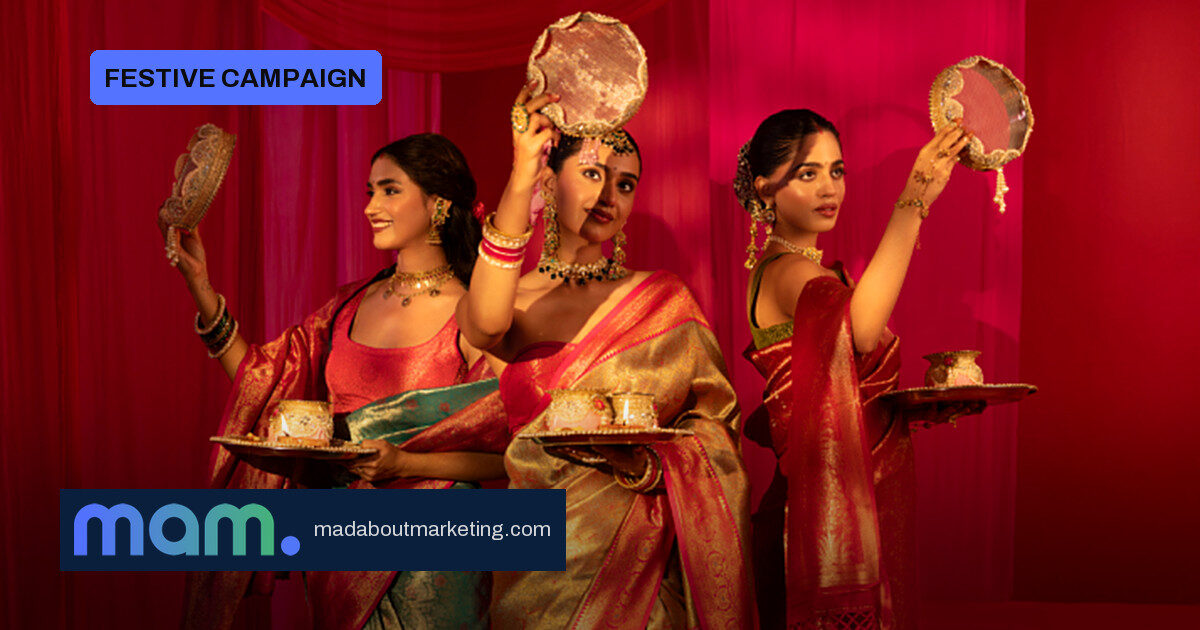
Libas has taken a precise festival positioning: the first Karwa Chauth of a newlywed bride. The Indian wear brand’s new campaign, Lal Ishq – A Celebration of First Karwa Chauth, follows the milestone in three acts, making the clothing part of the ritual’s emotional arc.
The campaign arrives at a time when festive fashion is often treated as a transaction. Libas instead builds a story around a woman preparing for, observing and remembering a culturally significant day.
01 · Inside the three-act campaign
The film unfolds across the major beats of the day:
- Shringar and dressing: The newlywed bride’s festive transformation, where the outfit is part of her preparation for the ritual.
- Pooja and family: The rituals that bring family members together and reinforce the collective meaning of the occasion.
- Moonrise and the sieve ritual: The awaited close, shared by the bride and her husband, marking a milestone in their journey.
02 · Why the positioning matters
Nisha Khatri, Head of Marketing at Libas, explained the thinking behind the campaign. “At Libas, we see Indian wear as an integral part of how women experience and express themselves during important cultural occasions,” she said, adding that the aim was “to show how clothing becomes part of the experience and the memories associated with it.”
That is a useful distinction for brand leaders. Rather than saying “buy for Karwa Chauth,” Libas is saying Indian wear is present across preparation, ritual and remembrance. The brand becomes part of a personal milestone, which is harder for a discount-led competitor to replicate.
First-time occasions also carry more emotional weight than repeat festivals. For a newlywed bride, the first Karwa Chauth is a rite of passage, so the products she wears in those images and rituals are more likely to enter long-term memory. Libas is effectively bidding for that memory space before larger festive players reduce the moment to price.
03 · What marketers can borrow
The structure is portable. Identify a first-time milestone in your category, then organise the campaign around preparation, main event and payoff. The consumer’s emotional milestone carries the story; the product simply belongs inside it.
The campaign also shows the value of letting cultural detail do the work: the sieve ritual, the shringar and the family pooja are recognisable beats that carry meaning without heavy exposition. For domestic and regional campaigns, specific rituals can be a stronger hook than generic celebration imagery.
For festive work, the lesson is to resist the default festival sale and find a moment that people remember for the first time. That specificity can create more resonant creative and a clearer brand role.
Source: MediaNews4U