FSSAI prosecutes three brands in food-safety sweep
FSSAI prosecutes Priyagold maker Surya Food & Agro, Dodla Dairy and UEIR Organic Foods after probes found adulteration and safety violations across biscuits, milk and raisins.
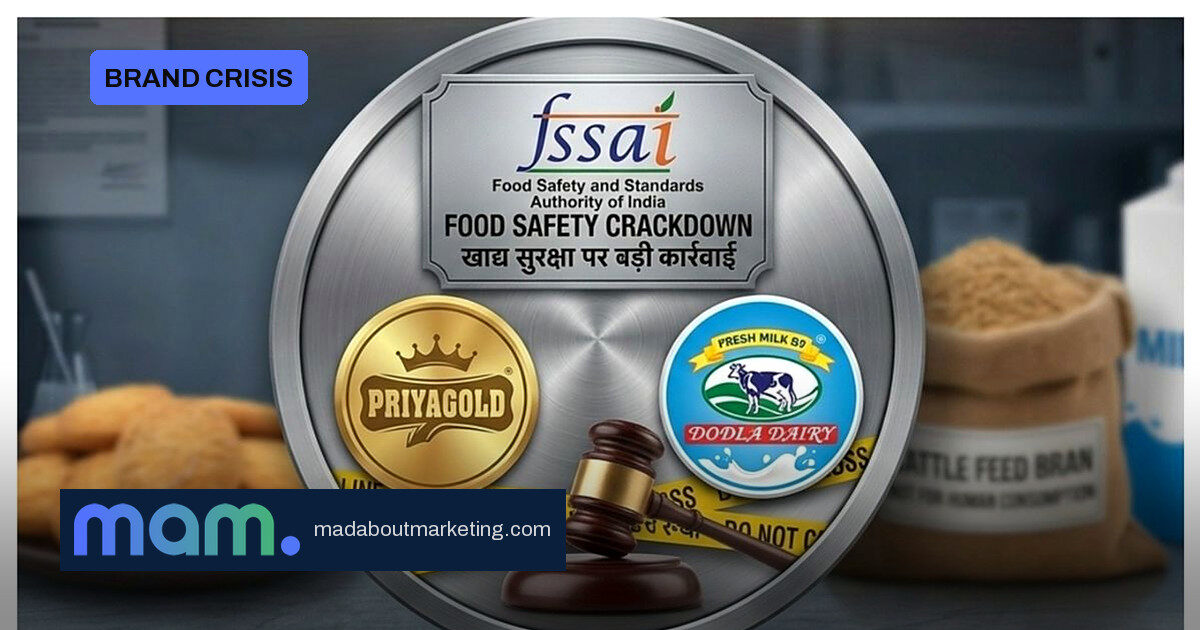
The Food Safety and Standards Authority of India (FSSAI) has moved from notices to prosecution, filing legal proceedings against three packaged-food businesses in one enforcement sweep: Surya Food & Agro, maker of Priyagold biscuits; Dodla Dairy; and UEIR Organic Foods. The common thread is alleged adulteration and quality failures that the regulator says put public health at risk.
01 · The headline charge: cattle-feed bran in biscuits
The case against Surya Food & Agro began with a consumer complaint, which triggered a site inspection. FSSAI inspectors reported severe sanitation and hygiene lapses, and the central allegation is stark: cattle-feed bran was allegedly being used as a raw material in biscuits meant for human consumption. The company’s manufacturing licence had already been suspended before formal legal prosecution began.
For Priyagold, a brand built on everyday affordability and wide distribution, the reputational damage moves faster than any recall notice. A suspended licence means the plant cannot legally produce, which halts fresh supply and leaves trade partners holding stock they cannot confidently sell.
02 · The sweep reaches dairy and organic
Dodla Dairy faces criminal prosecution after routine laboratory testing of its full-cream milk found the product substandard: chemical analysis detected caustic soda and detergents, and the samples missed the mandatory minimum milk-fat thresholds.
UEIR Organic Foods faces legal proceedings after laboratory analysis found illegal levels of pesticide residue in its yellow raisins. For a brand charging a premium on organic positioning, that finding is not merely a compliance gap; it is a broken brand promise delivered on the shelf.
03 · Why this matters for India’s brand leaders
FSSAI has stated the prosecutions reflect a zero-tolerance stand on deliberate adulteration and serious public-health risk, and investigations remain active. For CMOs, the marketing lesson sits one level above the legal case.
- Product integrity is a brand asset. Every claim of purity, freshness or wholesomeness now carries an enforcement risk.
- Positioning magnifies the fall. Organic, family and dairy brands are judged against the promise their packaging makes.
- One complaint can cascade. A single consumer tip can lead to inspection, licence suspension and prosecution.
The framework worth keeping on the desk is simple: brand equity, product quality and regulatory compliance are three legs of the same stool. Pull one, and the marketing spend on the other two buys very little.
04 · What to do about it
Audit labels and ad claims against laboratory reality before purity or wholesomeness messages go live. Treat regulatory standing as a communication line item, and keep a consumer-facing holding statement ready that speaks to shoppers, not just to the regulator.
05 · Marketing take
No campaign can outrun a product that fails in the lab. Compliance is the first creative brief.
Source: Afaqs!