Flipkart turns Piyush Mishra’s regret into a BBD iPhone hook
How McCann India turned Piyush Mishra's real regret into Flipkart's Big Billion Days iPhone hook, and why searchable regret beats festive noise.
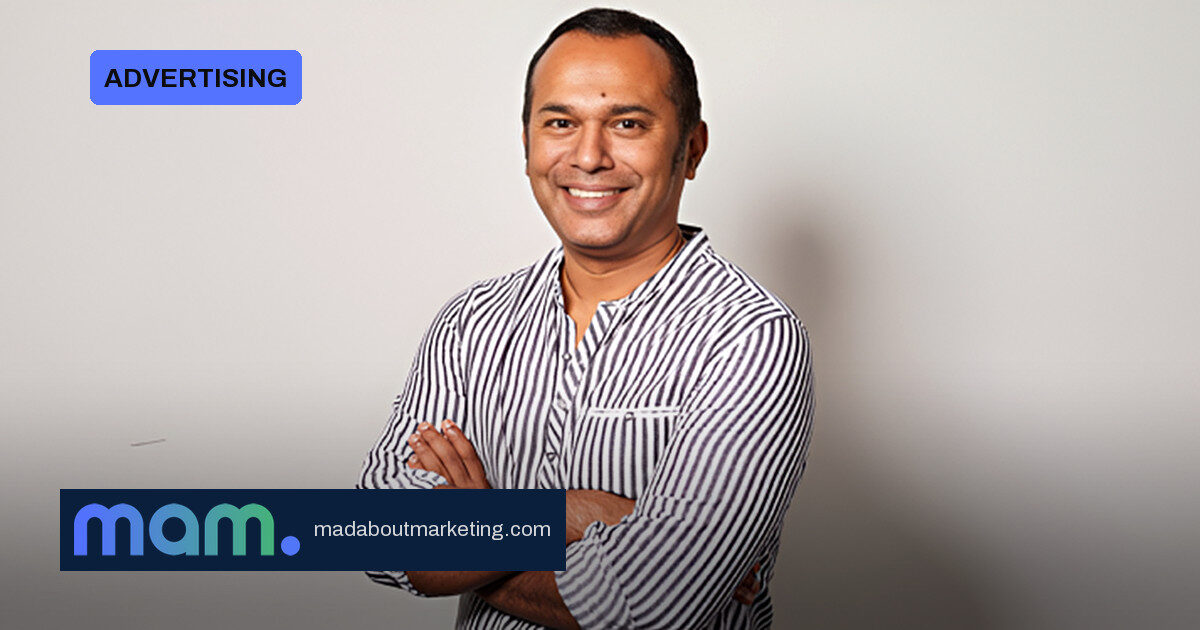
Flipkart’s Big Billion Days campaign has found an unlikely salesperson: a famous “what if.” Actor Piyush Mishra has often said he regrets turning down a role in Maine Pyar Kiya. McCann India, part of Omnicom Advertising India, has turned that real-life regret into the creative engine for Flipkart’s iPhone offer during the festive sale.
The film skips the usual price-slashing template. It plays as a mockumentary, with Mishra surrounded by familiar music and visuals from the film, imagining himself as the hero. The message is unmissable: big chances do not circle back often, but regret does.
01 · A specific regret beats a generic threat
Festive advertising is crowded with brands warning that you will regret missing the sale. Rahul Mathew, Chief Creative Officer of McCann India, argues that this generic regret has stopped working because everyone says it and no one listens.
His team searched for a regret that would make people pause. They found Mishra’s trivia: the actor had turned down Maine Pyar Kiya. It was not common knowledge, and that was the point. After the film dropped, people searched to check whether the story was true. That search spike is the stickiness most festive ads never earn.
This is regret aversion in practice. The ad does not simply tell you that you will lose a discount; it attaches the decision to a known person’s career-defining miss. The feared loss becomes emotional and specific, not a generic flash sale.
02 · Attention is earned, not bought
Mathew’s filter for festive noise is blunt: be interesting or be ignored. In a content-led environment, brands cannot simply buy attention; they have to earn a few seconds of it.
- Use a real, verifiable regret rather than a “don’t miss out” cliché.
- Make the creative searchable enough that people Google it.
- Aim to be the ad people forward in a family group, not the one they skip.
- Prioritise entertainment from the first frame to hold attention.
For Indian CMOs, the timing matters. Big Billion Days sits in the year’s most cluttered advertising window, when discount-led creative all starts to look the same. A campaign built on a cultural footnote can cut through precisely because it does not feel like a sales pitch.
03 · No festive playbook, but a reusable platform
Mathew also rejects the idea of a standard festive formula. His teams work on multiple brands—including 3M and McDonald’s—and each campaign starts with the brand’s consumer, not the calendar.
For McDonald’s, the agency did not celebrate the festival itself; it celebrated the messy, frantic preparation behind it. Flipkart needed a different muscle: turning FOMO into a joke people remember. Mathew says consistency matters more than the cleverness, and the agency tries to build platforms brands can return to each year.
“It’s the only way to make the message stick,” he says. “Always be entertaining.”
04 · What brand leaders can use
The practical takeaway is simple. If you are selling against a deadline, find a specific, human regret your audience already half-knows. Tie that regret to the decision to delay. Then deliver it in a format—mockumentary, documentary, or cultural reference—that separates the brand from festival price noise.
Flipkart’s film works because the regret is true, searchable and delivered with humour. That is a stronger offer than another “biggest sale ever” banner.
Source: MediaNews4U