Jio’s Village-to-City Call Is Now India’s Festival Feed
From village-to-city video calls to hostel Wi-Fi culture and regional creators going live at festivals, one data layer now carries India's local voices.
The sound of a local voice used to stop at the edge of a village courtyard or a hostel common room. Today it travels across the same data layer that carries a festival live stream, a regional creator’s green room and a family group call. For India’s brand leaders, the story is no longer that connectivity arrived. It is the daily habits now sitting on top of it.
01 · The village call is now a room, not a booth
A village-to-city video call once meant planning, quiet corners and the familiar “can you hear me?” Now it happens between chores, over tea, with the phone propped against a pressure cooker. The people in the frame are not performing for a camera; they are simply present. That presence is the real shift for marketers: the device has become part of the room, and local voices move through it without ceremony.
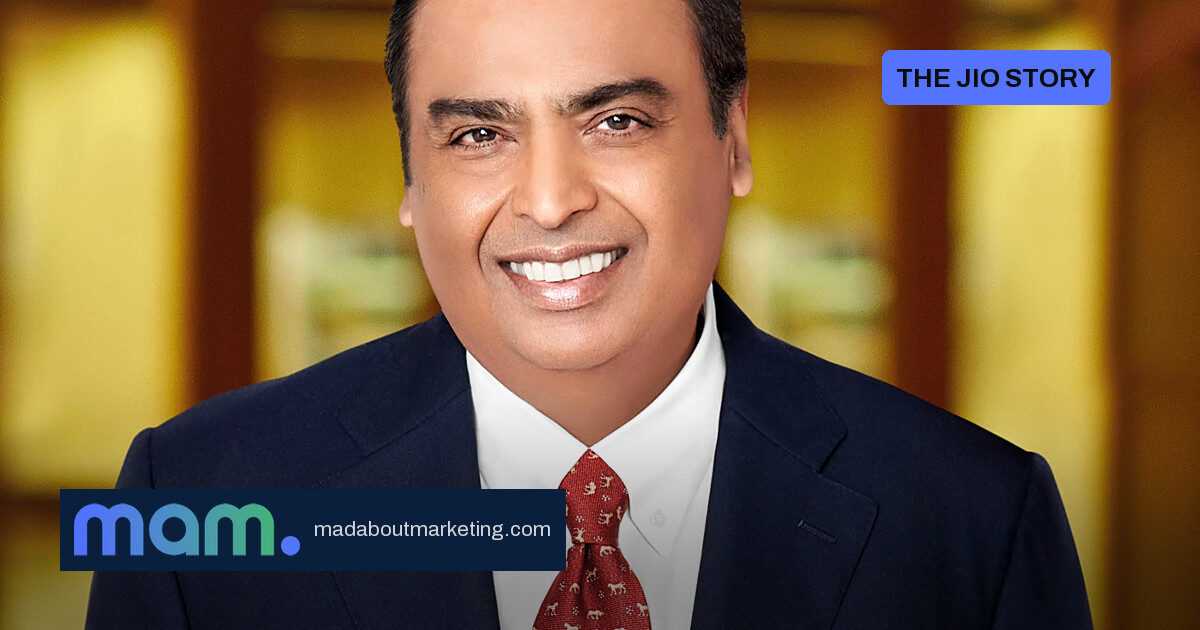
In 2016, Jio launched with the Welcome Offer: unlimited 4G data, voice, video and apps. The company reported reaching 100 million subscribers within 170 days. Today, the customer base is 524 million+ on company-reported figures from March 2026. The more useful legacy for marketers is not scale alone; it is how many small local stages now run on that layer.
02 · Hostel Wi-Fi is a shared stage, not a utility
In hostels, the router is rarely about one laptop. It is a common room where one person screens a match, another attends an online class, and someone else uploads a dance reel. Wi-Fi becomes the backdrop for negotiation, not isolation. The marketer who designs for one solo user misses the crowded room around the screen.
03 · Regional creators and the festival moment
Festival content used to be scheduled around a television broadcast or an event stage. Now it begins with a regional creator going live from a lane, a pandal, a home kitchen or a railway platform. The audience joins with local dialect, family commentary and festival sound in the background. The reach is intimate, not just national.
What brands should notice is the structure of these moments:
- The same call moves from private family update to public festival stream without changing its tone.
- Local language is not decoration; it is the interface.
- Shared screens carry more than one person, so the creative often has to work for the room, not just the individual.
04 · The marketing take
For CMOs, the brief is shifting. A campaign built only for a solo viewer on a personal feed can feel detached from the way India actually watches together. The work that travels is the work that respects a local voice, leaves room for the family around the screen and treats the festival live stream as a shared moment rather than a scheduled slot.
One line: build for the shared screen, and the local voice will do the rest.