Why the First Video Call Home Became Shared Memory
The psychology behind why a private first video call became collective nostalgia, and what it teaches brand leaders about shared memory.
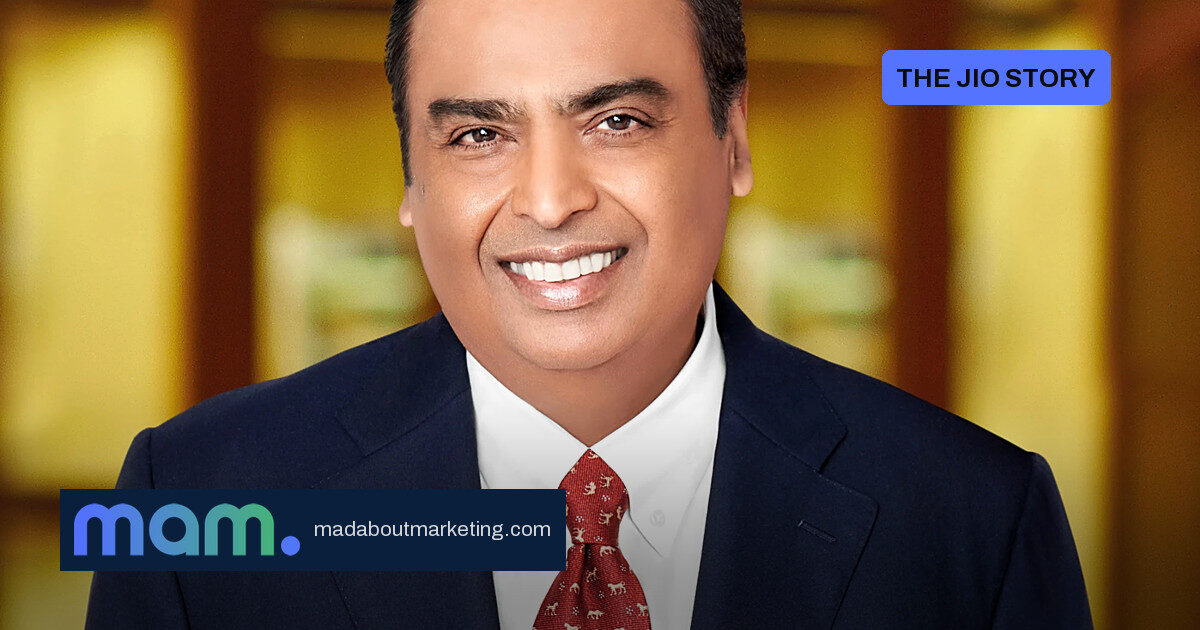
In 2016 Jio launched with the Welcome Offer: unlimited 4G data, voice, video and apps (Reliance Industries). What many people store away is not the tariff or the fine print. It is a small screen lighting up with a familiar face, a kitchen in the background, a hostel bed, a first call that suddenly did not have to be cut short. Marketers study this because the feeling outlived the campaign, and because it is a collective memory brands can learn from.
01 · A private moment becomes a shared script
The first video call home was intimate. But it repeated with enough similarity across enough homes to become a shared script. Jio reached 100 million subscribers within 170 days of launch (company-reported; Reliance Industries Integrated Annual Report 2016-17). At that scale, private firsts turned into a common sentence: people remember where they were, who they called, and what the screen showed. The question India asked moved from ‘How much does data cost?’ to ‘What can we do with data?’
That change in question matters for brand leaders. A brand that only lowers prices is easy to copy. A brand that enters personal milestones becomes harder to replace, because the memory is not about the product; it is about the people in the frame.
02 · Why the memory lands as collective nostalgia
Collective nostalgia is a personal memory that finds a public echo. It needs three ingredients. First, contrast: before 2016, many people knew the discipline of rationed data. After, a video call could run long. Second, repetition: a single private moment is intimate, but millions of similar moments make it social. Third, emotional load: the first call usually included a parent, a partner or a friend who mattered.
When those ingredients align, the brand stops being the subject of the story and becomes the setting. That is a rare position. The viewer isn’t being told to feel something; they already feel it.
03 · What brands can build on shared memory
Shared memories are not a call-back strategy. They are a legitimacy strategy. The useful work is to recall the memory accurately, in the customer’s words, without inflating it. This is why the 2016 moment still travels: it feels observed, not invented.
- Shared memory reframes a brand as everyday infrastructure, not a supplier.
- It lowers the proof burden: the customer supplies the evidence.
- It turns a market event into a cultural timestamp.
For CMOs, the temptation is to celebrate the network. The stronger move is to celebrate the moment it unlocked. Jio’s ecosystem today spans connectivity, entertainment, commerce, payments, devices, cloud and AI, and its stated priorities include ‘AI Everywhere for Everyone’ (Reliance Industries 48th AGM, August 2025). Today Jio serves 524 million+ customers (company-reported, March 2026), but the feeling that still anchors the brand is from the first frame.
Marketing take
don’t sell the network; frame the moment it unlocked.