85% Plan More Holidays as India Embraces Daycations
The 2025 India Holiday Report says 85% plan to take four to six trips a year, pushing travel brands to market occasions, not just destinations.
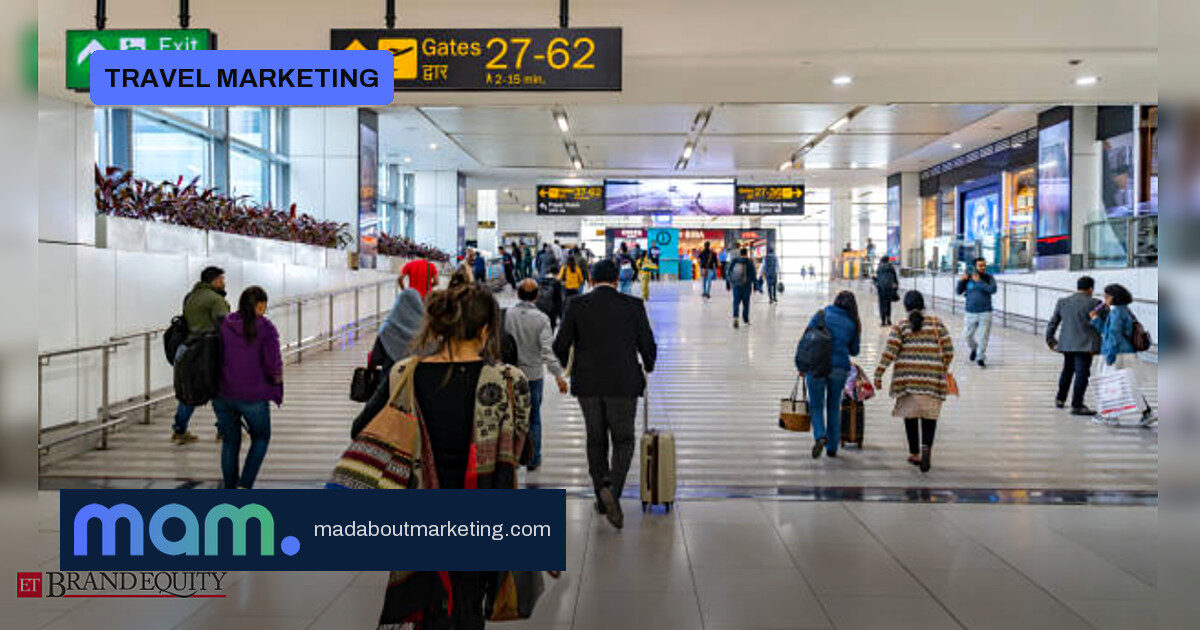
India’s holiday calendar is getting busier, not because breaks are getting longer, but because there are more reasons to take them. The traditional one big annual vacation is making room for shorter, more frequent escapes, and the 2025 India Holiday Report puts a number on the shift.
The headline finding: 85% of respondents plan to increase their holidays from roughly two trips a year to four to six. For travel marketers, that’s not a marginal uptick. It’s a different buying rhythm.
01 · From annual holiday to regular reset
The report also shows that 47% of travellers intend to use long weekends and public holidays for short getaways. Booking windows for short-haul and domestic travel have reduced to around 20 days, pointing to more spontaneous planning behaviour.
Short breaks demand fewer leave days, involve less planning and fit more easily into working calendars. That makes travel feel less like an annual event and more like a regular reset.
02 · What a daycation really means
A daycation need not involve travelling far or staying overnight. It could be a day at a resort, a nearby cultural destination, a food trail, a nature retreat or any experience that feels sufficiently removed from everyday life.
The opportunity for travel brands lies in making these experiences feel accessible. Rather than asking consumers to plan months ahead, campaigns can be built around moments that create an immediate reason to escape.
03 · Sell the occasion, not just the destination
The destination may no longer be the only hero of the campaign. The occasion becomes equally important: a hill station can be marketed as a 48-hour reset, a resort as a one-day escape from the city, a heritage town as an impromptu cultural break.
This creates room for tourism boards, hotels, experience platforms and destination brands to run more agile campaigns around long weekends, seasonal moments and cultural events.
04 · Make shorter trips feel bigger
Shorter travel does not mean less meaningful travel. With limited time, travellers are prioritising distinctive experiences such as local food, wellness, adventure, culture, nature or simply uninterrupted time with family and friends.
The report found that 60% of people are seeking unique, experiential or bucket-list holidays. That gives brands a clear brief: move beyond selling nights, destinations and packages and start selling how a traveller wants to feel when they return.
05 · What marketers can do now
- Reframe products around moments: a “48-hour reset” or “one-day escape” instead of a generic stay.
- Plan campaign calendars around long weekends and seasonal occasions, not only peak vacation windows.
- Lead with experience and emotion rather than rooms, rates and inventory.
- Build for shorter booking windows, with creative and offers ready to convert in about 20 days.
The big annual holiday is unlikely to disappear. But the rise of the daycation suggests the future of travel is less about taking more time off, and more about making more moments worth travelling for.
Source: ETBrandEquity.com