Raymond taps Jaideep Ahlawat for retro-inspired collection
Raymond Lifestyle names Jaideep Ahlawat as Friend of the Brand and unveils a Chairman’s Collection inspired by 1960s-80s Indian cinema.
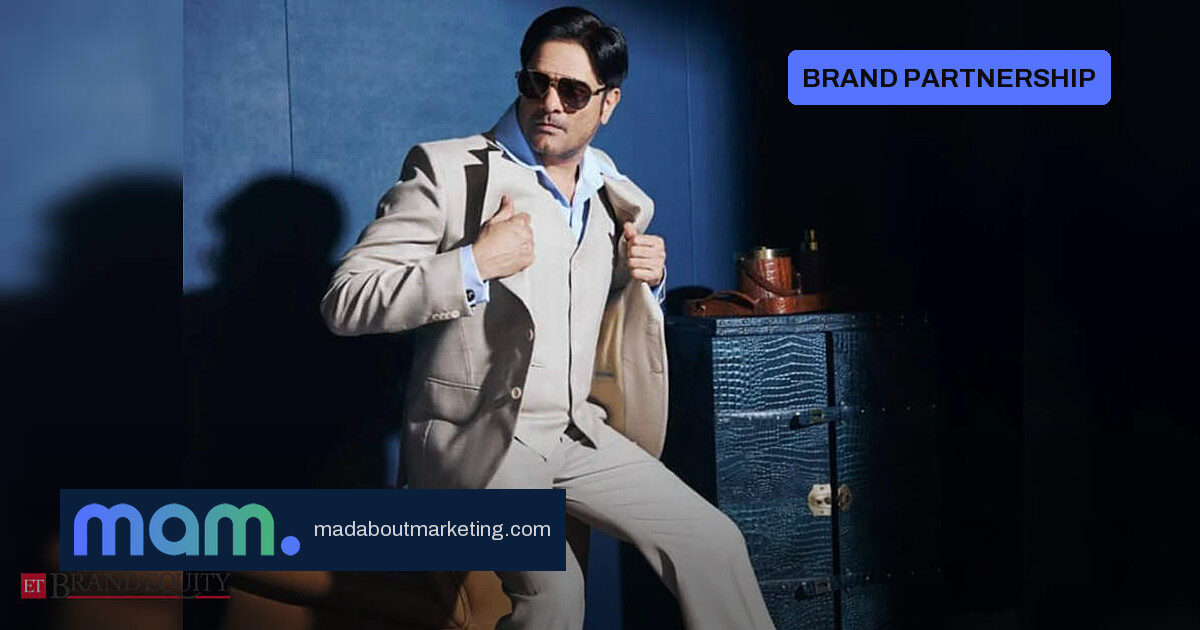
Raymond Lifestyle has brought actor Jaideep Ahlawat into the Raymond Chairman’s Collection fold as Friend of the Brand, unveiling a new menswear range built around Indian cinema, pop culture and retro fashion from the 1960s, 1970s and 1980s. The reveal happened at an invitation-only event at the Chairman’s Collection flagship store in Bandra, Mumbai.
The collection is not positioned as a costume trip. The brand wants to take style influences from three decades of Indian cinema and reinterpret them for today’s well-traveled man. Ahlawat called himself “a lifelong student of cinema” and said the films of those years taught him about attitude, character and style.
01 · The casting logic
Raymond is not simply hiring a famous face. Ahlawat’s credibility sits in cinema itself, which makes the association feel less like an endorsement and more like a curated point of view. Satyaki Ghosh, whole-time director and CEO of Raymond Lifestyle, framed the ambition as turning Indian cinema’s style into a “distinctive expression of modern menswear.”
That distinction matters. The easy version of this idea would be a vintage costume collection. The harder version is to keep the nostalgia legible while making the fit, fabric and occasion current.
02 · Why nostalgia still does the selling
For a luxury menswear buyer, a 1970s silhouette or a 1980s Bollywood reference is not just decoration. It triggers recognition and belonging before a rational argument about quality begins. Retro cues lower the effort required to feel that a product has heritage.
Indian cinema is a useful reference library here: its styles are shared across generations, rewatched on streaming and recreated in weddings. A brand that borrows from those decades borrows a visual language many buyers already know. That is the strategic value for CMOs. Nostalgia can become a shortcut to perceived authenticity, but only when it is disciplined. Broad retro vibes become noise; specific periods give art directors, stylists and store teams a clear visual code to execute against.
03 · What brand leaders can borrow
- Anchor the collection in a specific cultural window, not all of history at once.
- Pick a spokesperson whose craft lives in that world, so the association reads as credible.
- Bring the reveal to a physical, invitation-only space to turn nostalgia into an experience.
The Bandra flagship event does work beyond press coverage. It gives premium customers a place to see the references in cloth and tailoring, and it gives the sub-brand a stage instead of another scroll-stopping ad.
For marketing teams, Ahlawat is also instructive. He is not primarily a fashion model or a conventional luxury face. He brings screen credibility to a collection that claims to be about cinema, which keeps the story coherent when it travels from flagship store to Instagram reel.
The opportunity and the risk are the same: retro must not become costume. If the legacy references are the opening line and the modern wardrobe is the product, Raymond’s collection has a chance to make nostalgia feel like a new identity rather than a rerun.
Marketing take
Borrow the era, but sell the fit.