Duolingo’s Visa Paath teaches 9 languages at temples
Duolingo and Talented launch Visa Paath, a free temple prayer booklet that teaches nine languages and directs devotees to the Duolingo app.
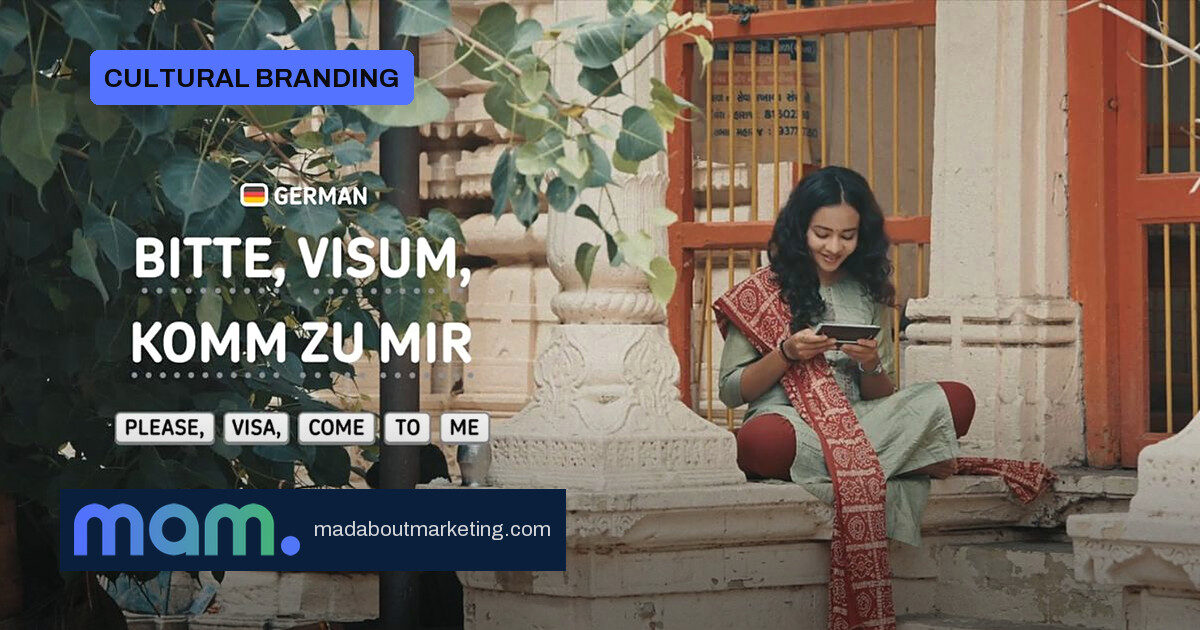
Duolingo has taken its language-learning pitch to an unlikely classroom: Indian temples where aspirants go to pray for a visa. With agency Talented, the brand has launched Visa Paath, a free prayer booklet that turns a visa prayer into a first language lesson.
Available in print and audio at select temples frequented by Indians seeking overseas travel, the booklets carry prayers for successful visa applications translated into nine languages representing popular destinations for the Indian diaspora. Each prayer introduces basic words and phrases, then directs users to the Duolingo app to continue learning.
The print-and-audio format widens access: a devotee can read or listen, whichever the setting allows. Nine languages also make the booklet feel personally relevant across a broad map of diaspora destinations, rather than generic.
01 · Why a visa temple?
For many families, a move abroad begins with both paperwork and prayer. Karandeep Singh Kapany, regional marketing director at Duolingo, explains the logic: rather than waiting for learners to find the app, Duolingo meets them where the journey already starts.
“Faith may take you places, but language helps you belong there.”
That line captures the strategy. The booklet is not a temple takeover; it is a small service placed inside an existing ritual.
02 · The craft is the message
Talented’s creative and brand strategy team—Esha Agarwal, Leena Gupta and Ria Maheshwari—say the design deliberately borrows from religious Chalisa books: wooden covers, traditional binding and bead detailing. The goal was to honour the tradition and avoid interrupting it with advertising.
“Without making the brand bigger than the belief.”
That discipline is what keeps Visa Paath from feeling like an intrusion.
03 · What marketers can steal
For Indian brand leaders, Visa Paath is a useful counter to the default playbook of building a digital filter or a festival ad. It treats culture as a distribution network. The temple is already a high-intent, emotionally charged setting; the booklet simply adds a new utility to a visit that was going to happen anyway.
- Ritual is media: the temple, the prayer and the booklet are the channel.
- Design for belonging: the format copies culture, not advertising layout.
- Utility before promotion: the lesson comes first; the app comes after.
The marketing take: meet customers inside the rituals they already trust, and let the product serve before it sells.