Yuvraj Singh’s Twiddles enters protein bar market
The food brand founded by Yuvraj Singh launches its first protein bar range and aims to build an everyday protein brand for India.
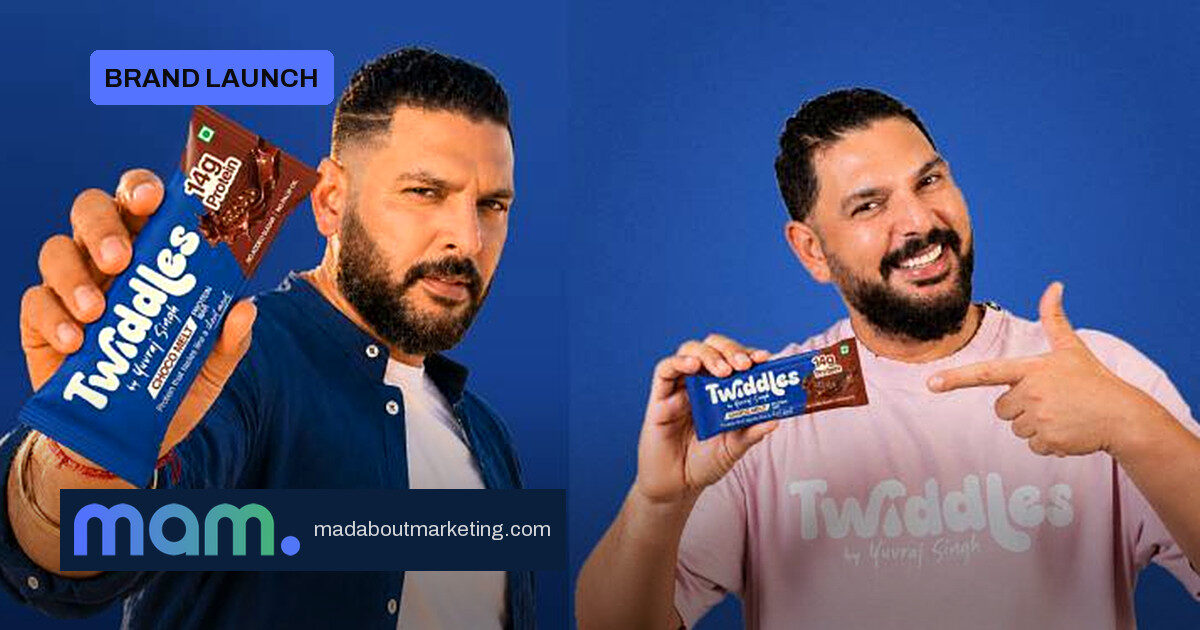
Twiddles, the food brand founded by former Indian cricketer Yuvraj Singh, has entered the protein snacking market with its first range of protein bars.
The launch is the opening move in a bigger plan: build an everyday protein brand for India, beginning with familiar breakfast and snacking formats.
01 · Protein that meets people where they already eat
The positioning is deliberately low-friction. Twiddles says it wants to create high-protein alternatives across food formats Indian consumers already know and enjoy, so people can add protein to daily routines without rewriting their food preferences.
Yuvraj Singh signalled the brand’s tone on LinkedIn.
“Winning takes discipline, but enjoying the little things shouldn’t come with compromises.”
Co-founder Kumar Gaurav put the strategy plainly: “Protein should fit into our lives, not the other way around.” He added that Twiddles does not believe people should have to change what they enjoy to make better nutritional choices.
02 · Why the habit-fit approach matters
For brand leaders, the launch is less about a snack bar and more about adoption design. A new food benefit faces less resistance when it enters a moment that already exists in a consumer’s day: morning tea, desk snack, post-gym refuel.
The strategic bet has three parts:
- Enter an established ritual: breakfast and snacking, not a new meal plan.
- Sell continuity, not conversion: the familiar format stays; the nutrition improves.
- Let the founder’s story carry credibility: Singh’s discipline narrative fits the brand without making it feel clinical.
This is also a useful test of a broader principle. When adoption is the bottleneck, the product story should start with the existing habit, not the ingredient. The consumer does not have to understand protein grams; they have to recognise the product as a smarter version of something they were going to reach for anyway.
That reframing is subtle but commercially important. It shifts marketing from “why protein” to “why switch”, which is the question convenience-led brands can actually answer at the shelf.
03 · What comes after the bars
Twiddles describes the protein bars as the first step. The ambition extends into additional familiar food formats, balancing nutrition with taste and convenience.
If the brand holds this line, its differentiator will not be protein alone. It will be how little it asks the consumer to change.