BHIVE’s 90-second brand film becomes a content system
BHIVE Workspace uses its first Milind Soman brand film to change workspace perception and build a content system, not just a content calendar.
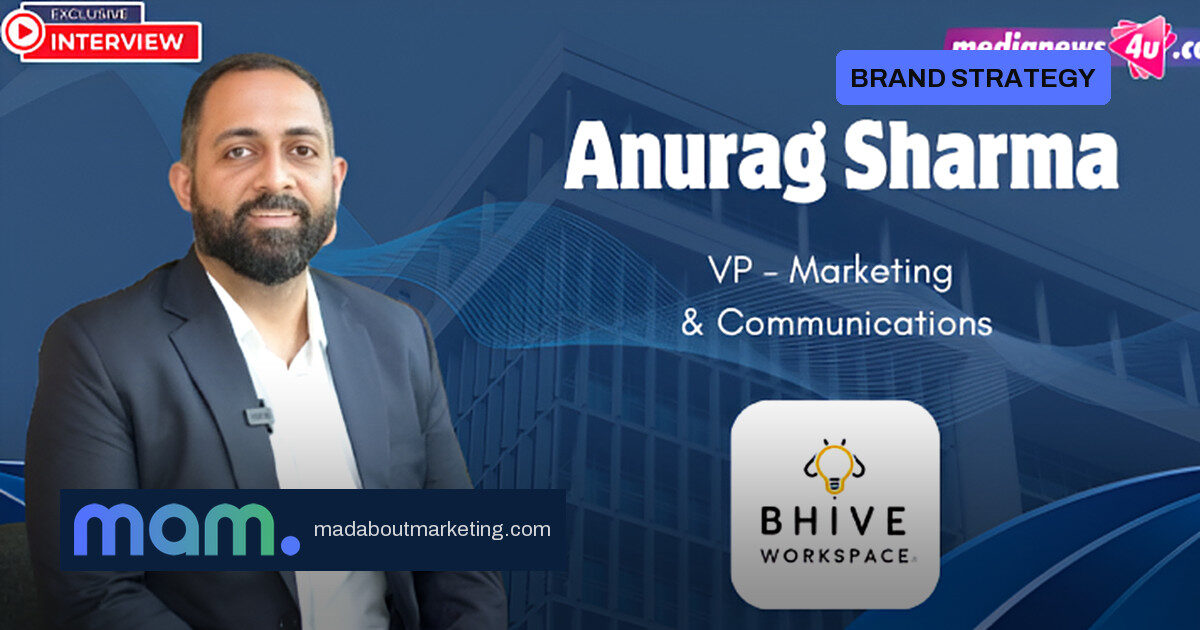
BHIVE Workspace’s first brand film turns on a simple visual shift: Milind Soman starts doing push-ups in a cramped conventional office, then the frame opens into a BHIVE campus with pickleball courts, cafés and lounges. His line, “Now THIS is an office,” does the positioning work in six words.
The film, unveiled earlier this year, signals BHIVE’s move from being known for coworking and managed spaces to being understood for a campus-led workplace that brings together work, fitness, lifestyle and community.
01 · Perception, not product
Anurag Sharma, VP – Marketing & Communications, BHIVE Workspace, puts the strategic choice directly:
Adding more amenities would have solved a product problem. We were trying to solve a perception problem.
BHIVE already had sports facilities, shower zones, cafés, lounges and large-format campuses. The real challenge was helping people see these as one connected idea, not disconnected extras. A brand film compresses that argument into a single narrative, letting BHIVE show that a workplace can support more than eight or nine hours at a desk.
02 · Why Milind Soman works
The brand is careful not to use Soman as another celebrity face. His association with fitness, endurance and discipline existed long before BHIVE. The creative approach put the person inside the BHIVE world rather than placing BHIVE behind a celebrity.
“If you removed his name from the film, would the story still feel like BHIVE? It had to,” Sharma says. That test is the difference between a brand ambassador and a borrowed star.
03 · One film, many stories
The larger social strategy is shifting from a content calendar mindset to a content system. The question is no longer what to post today, but what story the brand is building across the quarter.
Sharma calls the hero film a brand asset, not a single piece of content. YouTube can carry the full story, Reels need a faster hook, LinkedIn needs the workplace thinking, and inside campuses the film becomes part of the physical experience.
“I don’t believe in taking a 90-second film and simply resizing it into six formats,” he says. “The idea should travel. The execution should adapt.”
04 · What success looks like
BHIVE measures the film in three layers:
- Brand: reach, completion rates, recall and branded search.
- Engagement and consideration: website behaviour, direct traffic, qualified enquiries and campaign-assisted demand.
- Business impact: retention, referral behaviour, occupancy, lead quality and conversion.
The underrated metric, Sharma argues, is whether people start describing BHIVE differently—moving from “coworking and managed space” to “fitness,” “active lifestyle,” and “community.” That is what a brand film should change.
05 · The takeaway for marketing teams
Marketing can create preference, but it cannot manufacture product-market fit. The film starts the conversation; the product experience has to finish it.
For startups, Sharma’s answer on pickleball is sharp: no one should pay premium rent for pickleball. They should pay for the business value of the workplace. Amenities earn their place only after fundamentals such as flexibility, zero capex, operational convenience and productivity are secure.
One-line marketing take: A brand film works when it changes how people describe you, not just where they sit.