D2C Festive Playbook: 27% Better Search Conversion
Google's festive playbook and D2C experts on building demand early, capturing long-tail search intent, scaling creators and measuring the full journey.
For D2C brands, the festive season is no longer a short burst around Diwali. A shopper may discover a brand through a creator, search for it days later, watch a YouTube review, compare prices on a marketplace, and finally buy on a quick-commerce app. The marketer’s job is not to optimise only that final transaction—it is to understand how every step builds the sale.
That is the central argument in Episode 5 of Taiyaar For Tyohaar, the Campaign India and Google series on festive marketing. The conversation brings together Rohin Mittal, Co-Founder of Ad Yogi, and Eashwari Deshpande, Head of YouTube Ads, Brand & Reputation Marketing at Google India.
01 · Start demand before the spike
Google’s Festive Playbook 2026 shows the festive calendar has stretched well beyond Diwali. Nine in ten shoppers research before buying, and interest in “Diwali Sale” begins as early as August. That makes the pre-festive weeks a growth window in their own right.
Content, audience strategy and creative testing need to start before peak traffic arrives. Mittal’s point is sharp for performance-led teams: give campaigns enough time to mature instead of trying to manufacture awareness and close the sale at the same moment.
02 · Match long-tail intent with better data
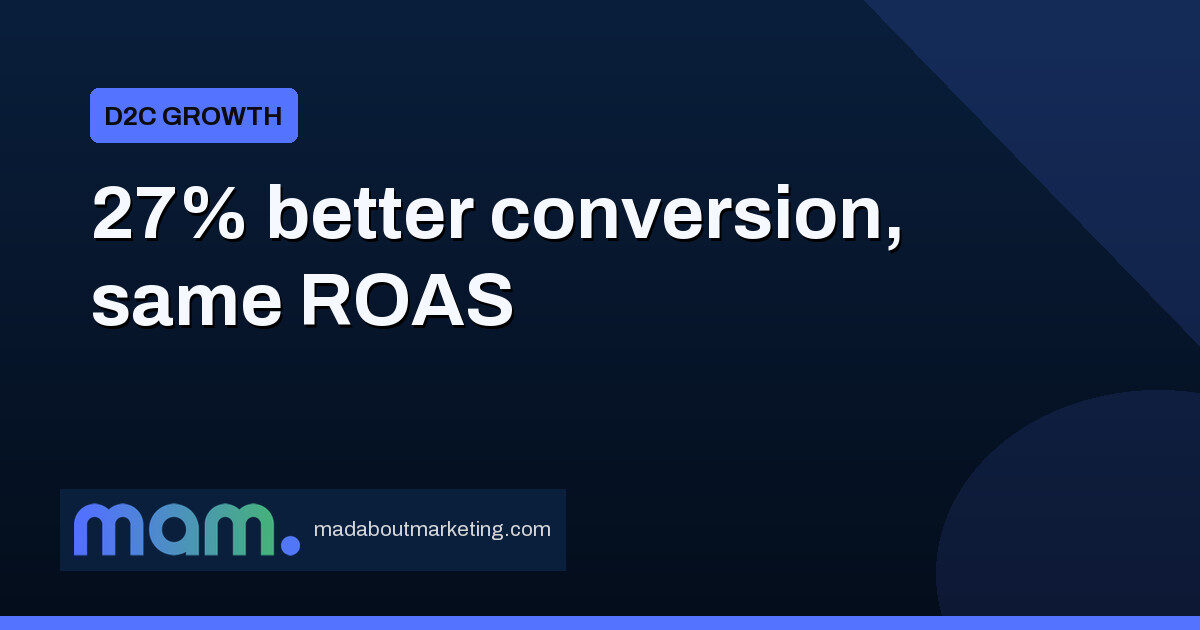
Search behaviour is turning conversational. Shoppers now type needs, budgets and delivery expectations into one query—for example, a luxury gift hamper under ₹5,000 that can arrive tomorrow. Google’s AI Max can capture these longer-tail searches, delivering 27% better conversion at the same ROAS, according to the conversation.
The opportunity is not just to bid more. Detailed product catalogues, accurate tagging and richer attributes let smaller D2C brands surface alongside far larger retailers when search intent becomes specific.
03 · Make creators a repeatable engine
Creators already sit inside the festive journey. Google’s playbook puts the number at 73% of shoppers looking to creators for inspiration, and 89% of viewers naming YouTube as the platform with the most trusted creator content.
The shift is from one-off collaborations to a system. Mittal describes D2C brands producing 200 to 500 creator assets a month, testing creator-audience-geography combinations and scaling winners. Deshpande’s Bring, Build, Boost framework follows the same logic: bring existing creator work to YouTube, build new assets, then boost the strongest with paid media.
04 · Quick commerce closes, it doesn’t create desire
Quick commerce matters in beauty, wellness and FMCG, but being present at checkout is not a demand strategy. Deshpande notes that 35% of instant shoppers still check Google or YouTube before completing a quick-commerce purchase. That means an apparently spontaneous buy often carries an earlier layer of discovery or reassurance.
Strong brands build awareness and preference outside the rapid-delivery app, so quick commerce makes an already desirable product easier to buy.
05 · Keep humans ahead of the algorithm
AI gives lean D2C teams speed across insights, creative iteration, media and measurement. Ad Yogi’s experience is instructive: the team first applied AI to complex tasks, then reversed course and started with repetitive administrative work where efficiency was easier to see. Objectives, audiences and guardrails still need to be set by people before automation optimises.
06 · Measure the journey, not daily ROAS
D2C brands operate across websites, marketplaces, creators, search, video and quick commerce. Treating each channel as an isolated P&L hides how demand moves between them. Mittal offers a clear example: a luggage brand saw Flipkart sales fall when its YouTube ads were paused—even though YouTube was not the final click.
The better question is not “which channel closed the sale?” but “what contribution did each channel make to total growth?”
- Start demand generation before the festive spike.
- Structure product data for long-tail, conversational search.
- Scale creator content that actually moves behaviour.
- Use quick commerce as a distribution layer, not the only demand source.
- Set human guardrails before letting AI optimise.
- Measure connected contribution, not last-click ROAS.
The festive period can amplify opportunity, but the strongest D2C businesses use it to learn what keeps working after the spike is over.
Source: Campaign India